How Dedicated Server Works in 2026: A Clear, Practical Explanation
In 2026, businesses rely more than ever on speed, security, and full control over their online infrastructure. This is where dedicated servers play a major role. This blog explains how a dedicated server works, why it is different from shared or cloud hosting, and how modern advancements have made dedicated servers more powerful, secure, and flexible than before. You will learn what a dedicated server is, how it operates behind the scenes, its key components, benefits, use cases, and whether it is the right choice for your business today.
What Is a Dedicated Server?
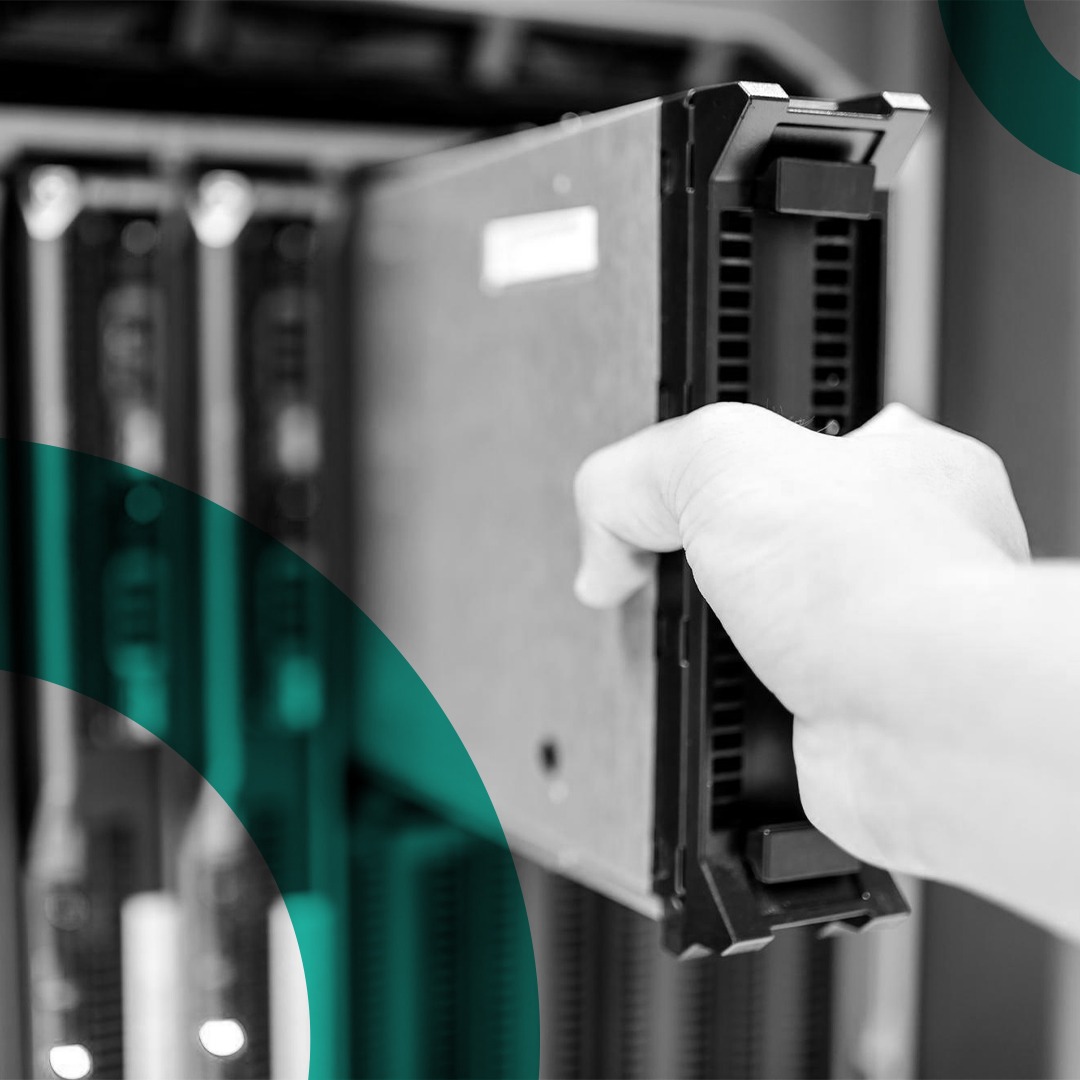
A dedicated server is a physical server that is fully reserved for one user or one business. Unlike shared hosting, where multiple websites use the same resources, a dedicated server provides exclusive access to:
- CPU
- RAM
- Storage
- Network bandwidth
- Operating system
- Security settings
This means all server power is used only for your applications, websites, or data.
How a Dedicated Server Works
Understanding how a dedicated server works is simple when broken into steps.
1. Exclusive Hardware Allocation
When you choose a dedicated server, the hosting provider assigns you a complete physical machine. No other users share the processor, memory, or disk space. This ensures stable performance even during high traffic.
2. Operating System Installation
You can choose your preferred operating system, such as:
- Linux (Ubuntu, CentOS, AlmaLinux)
- Windows Server
The OS is installed directly on the server, allowing full customization based on your workload.
3. Resource Management
All server resources are controlled by you or your IT team. This includes:
- Installing applications
- Managing databases
- Configuring security rules
- Monitoring performance
Because resources are not shared, applications run faster and more reliably.
4. Internet Connectivity
The server is connected to high-speed internet through a data center network. This allows users worldwide to access your website or system with low latency and high uptime.
Key Components of a Dedicated Server
To better understand how a dedicated server works, it helps to know its core components.
Hardware Components
- Processor (CPU): Handles all computations and requests
- RAM: Supports multitasking and application speed
- Storage: SSD or NVMe drives for faster data access
- Network Interface: Ensures stable and fast connectivity
Software Components
- Operating system
- Web server (Apache, Nginx, IIS)
- Database software
- Security tools and firewalls
What’s New in Dedicated Servers in 2026?
Dedicated servers in 2026 are not the same as those from a few years ago. Technology improvements have made them smarter and more efficient.
Modern Enhancements Include:
- AI-based performance monitoring
- Advanced DDoS protection
- Faster NVMe storage
- Automation tools for server management
- Better energy efficiency in data centers
These updates make dedicated servers easier to manage while delivering enterprise-level performance.
Dedicated Server vs Other Hosting Options
Dedicated Server vs Shared Hosting
- Dedicated server offers full control
- Shared hosting limits resources
- A dedicated server provides better security
- Shared hosting is cheaper but slower
Dedicated Server vs Cloud Hosting
- A dedicated server uses physical hardware
- Cloud hosting uses virtual servers
- Dedicated server offers predictable performance
- Cloud hosting scales faster but can be costly over time
Benefits of Using a Dedicated Server
Choosing a dedicated server offers several advantages, especially for growing businesses.
Key Benefits:
- High performance with no resource sharing
- Strong security for sensitive data
- Full server customization
- Better uptime and reliability
- Ideal for high-traffic websites and applications
Who Should Use a Dedicated Server?
A dedicated server is suitable for businesses that need high performance and control.
Best Use Cases:
- Large business websites
- E-commerce platforms
- Financial applications
- ERP and CRM systems
- Media streaming platforms
- Game servers
If your business handles large amounts of data or needs stable performance, a dedicated server is a smart choice.
Is Dedicated Server Hosting Secure?
Yes, dedicated servers are considered one of the most secure hosting options.
Security Advantages:
- No shared users or cross-site risks
- Custom firewall configurations
- Dedicated IP address
- Advanced access control
- Compliance with strict data protection policies
In 2026, security tools have become more advanced, making dedicated servers even safer.
Managed vs Unmanaged Dedicated Servers
Managed Dedicated Server
Once your website is identified, the server opens your website’s directory and loads:
- The hosting provider handles updates and security
- Ideal for businesses without technical teams
- Higher cost but less effort
Unmanaged Dedicated Server
- Full control over server management
- Requires technical expertise
- Lower hosting cost
Your choice depends on your technical resources and business needs.
Conclusion
Understanding how a dedicated server works helps businesses make informed hosting decisions in 2026. Dedicated servers offer unmatched performance, security, and control compared to other hosting options. With modern advancements, they are now more efficient, flexible, and easier to manage than ever before. For businesses that demand reliability and long-term scalability, dedicated server hosting remains a powerful solution. At the end of the day, choosing the right hosting partner matters, and companies like Dedote provide professional guidance and reliable hosting solutions to help businesses build a strong digital foundation.